
Denver Boiler, Chiller & HVAC Services
Denver's boiler, chiller, and building automation specialists, keeping commercial buildings and homes across the metro comfortable through every Front Range season.
Mile-High Buildings Need HVAC Built for Mile-High Conditions
Denver is hard on mechanical systems. At 5,280 feet, burners get less oxygen, air-cooled condensers move less heat, and equipment sized at sea level comes up short. Add a Front Range climate that can swing 40 degrees in a single afternoon, and boilers and chillers end up working harder than almost anywhere else in the country.
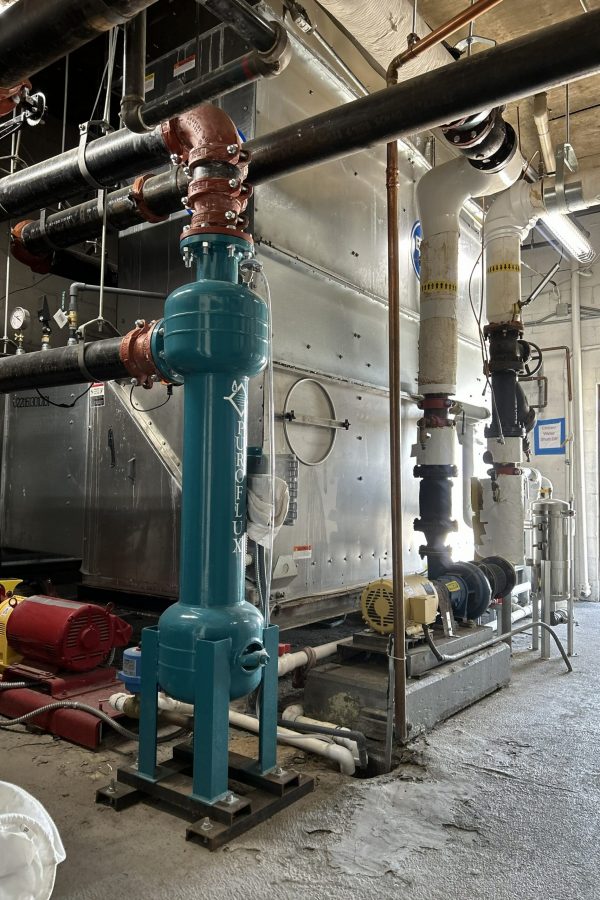
Mountain Hydronics was built for exactly that. We are a hydronic specialty contractor based in Broomfield, just up US-36 from downtown Denver. Across the Denver metro, our technicians install, repair, maintain, and automate the boilers, chillers, pumps, and controls that keep homes, local businesses, multifamily properties, hotels, resorts, and industrial facilities running.
Unlike general HVAC companies that send a rooftop-unit tech to a boiler room, or subcontract the hydronic work entirely, every job we take is handled by our own technicians. The team that services your chiller is the team that programs its controls. That means faster diagnosis, fewer return trips, and one accountable partner for your whole mechanical room.
Our Denver HVAC Services
From a single boiler in a Capitol Hill apartment building to a multi-chiller central plant in the Denver Tech Center, we cover the full life of your hydronic system.
Boiler Repair, Installation & Service in Denver
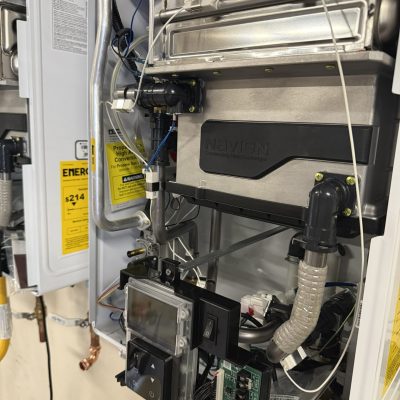
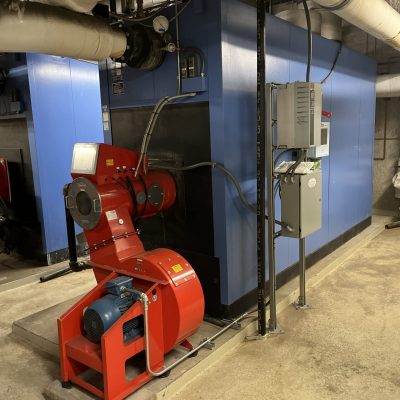
Hot water and steam boilers, condensing and high-efficiency upgrades, burner tune-ups set up for Denver’s altitude, and annual service that keeps your Colorado boiler inspection clean. Available 24/7 when the heat goes out.
Chiller Service & Repair in Denver
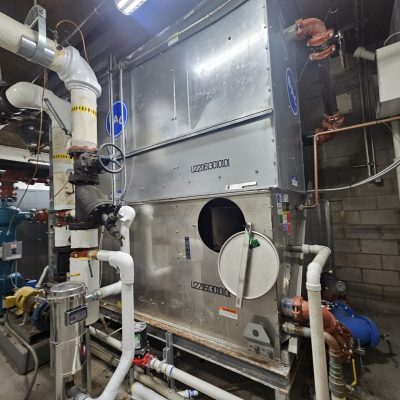
Air-cooled and water-cooled chillers, cooling towers, and chilled water pumps. We handle spring startups, fall shutdowns and winterization, tube cleaning, and the summer breakdowns that hit during a Denver heat wave.
New Construction HVAC for Denver Projects
Hydronic design-assist, boiler and chiller installation, piping, pumps, and controls for new builds and major renovations. We work alongside general contractors and engineers to deliver systems that start up right and meet Denver’s energy code.
Building Automation Systems in Denver
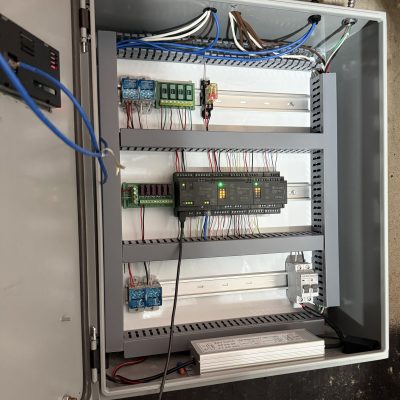
PLC-based controls that connect boilers, chillers, pumps, cooling towers, and air handlers to one platform with remote monitoring and smart alerts. Real energy data also helps Denver buildings track their Energize Denver performance targets.
Preventive Maintenance Plans for Denver Buildings
Scheduled maintenance built around Denver’s seasons: heating checks before the first fall cold snap, chiller startups before May heat, and documented service records for inspectors, insurers, and owners.
Denver's HVAC calendar
What Breaks, and When
Fall: The First Cold Snap
Denver’s first hard freeze often arrives in October, sometimes overnight after a 75-degree afternoon. Boilers that sat idle all summer are the first to fail: seized circulator pumps, failed igniters, air-bound loops, and low system pressure. Buildings on two-pipe systems also face the cooling-to-heating changeover, and cooling towers need to be drained or protected before the first freeze.
Winter: Arctic Blasts and Chinook Swings
When arctic air drops Denver below zero, boilers run at full fire for days. That’s when cracked heat exchangers, frozen makeup air and air handler coils, and frozen condensate lines show up. Then a Chinook wind warms the city 40 degrees and the same equipment short-cycles. Proper outdoor air reset and staging controls keep both extremes in check.
Spring: Heat in the Morning, Cooling by Afternoon
March is often Denver’s snowiest month, yet May afternoons can call for full cooling. Shoulder season is when changeover problems, chiller startup failures, and fighting heating and cooling loops waste the most energy. Spring also opens Front Range hail season, which can flatten condenser coil fins and damage cooling tower fill in a single storm.
Summer: Heat, Smoke, and Storms
On a 95-degree Denver day, an air-cooled chiller at altitude is already working with thinner air, and any fouling or low refrigerant charge pushes it over the edge. Afternoon thunderstorms cause power blips that trip chillers offline. Wildfire smoke loads filters and coils, and Denver’s dry air drives high cooling tower evaporation, which concentrates minerals and accelerates scale.
Denver HVAC Service FAQs